Plan:
Para 1: Birth, Family, Being raised in Victorian England
Para 2: his book becoming popular
para 3: his house in kings cross and my views of it
para 4 conclusion
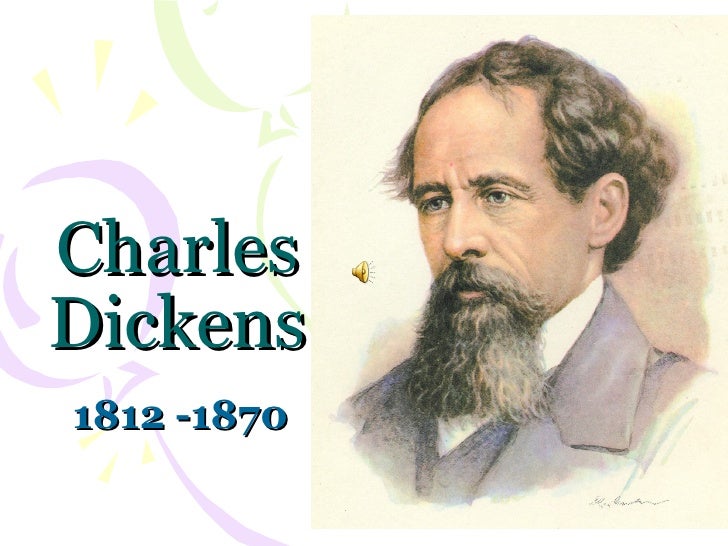
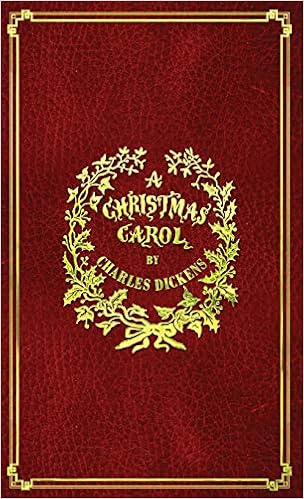 Charles Dickens was born on Febuary 7th 1812 in Portsea (now within Portsmouth) where has spent his early childhood and he then moved to Chatham in 1817. Dickens recalled his time in Chatham and had nostalgia thinking about when him and his dad used to write family theatricals or took long walks, and this era in his life came to an end as they had moved to London in 1822. They got poor here as his father struggled to keep financially stable, the concequence is his whole family being sent to prison in 1824. Charles was sent to a blacking factory on the Thames close to Strand in Central London. He was barely getting by as he made six shillings a week pasting lables on jars of shoe polish. This experience had left him very traumatised and emotionally damged and he would go on to keep secrets about this time from his parents, possibily his friends and wife. He was back at school not long after and out of work, but in order to support his living he needed to work again and he had become a clerk and then as a parliamentary reporter. This is where his hobby began. His unique and great ability to describe his experiences led to him trying to make fiction. Not soon after he wrote the Pickwick Papers which was a huge success. This unusual piece of work took readers nationwide by storm and Dickens soon became the most established writer of the era. Wherever he went and whoever he met would always make an impact on his next novel as everything was based on everyone he had met. In 1836 Dickens married his wife and they had ten kids together between the years of 1837 and 1852. In the 1840's his fame grew even more with successful hits like Dombey and Son or A Christmas Carol. Through all the good that came to him his past began haunting him, in that I mean the Blacking Factory. He also had dreams of being a professional actor and hosted theatrics that included his whole family, and friends. He spent months on trying out different styles of plays and trying to see what worked and didn't. He decided to become professional with his one-man dramatic readings of his own plays. At this time he began to lose love for his wife and fell in love with a young actress named Ellen Ternan who soon became a means for him to formally seperate from his wife. Once he seperated with his wife he moved to Kent where he bought a house for him and his kids. Here his sister in law and eldest daughter kept him homely. At this time he began to develope insomnia and much illness, and he wrote some of his darkest novels at this time: Great Expectations and Our Mutual Friend. He began ageing at an unusually fast rate and his in 1865 he was involved in a major train accident which left him shocked. Two years after this he travelled to America and had a punishing work schedul which eventually gave him the final blow. In 1870 he died of a stroke in London leaving his final play Drood half written.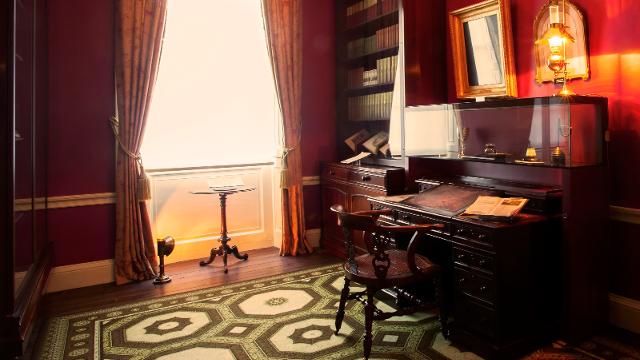

 Taking a tour around his house at 48 Doughty Street in Holborn, it is quite interesting to see how the middle class lived in contrast to today's middle class. Starting from the basement of the house, he owned an iron for clothes, but in his day there was no electricity so the irons were made of purely of iron, and in order to use it one had to heat up the flat side by a fire place. In the same room is a wooden bucket, which is quite tall, and it was used to wash clothes. This was their substitute for the washing machine that we have in the west. On the first floor there was a dining table for the family to come together and eat, and part of his house had become a cafe on this floor. On the next floor up was a working table which he must have used to write Drood, before he unfortunately died. He also owned a piano which was quite grand, although he had a great interest in music, he was never any good at the piano. One floor above this it can be seen what he used to wear, he loved colourful tuxedo's. In the room next door is his dormatory. There was a double bed in there and next to it was a commode. A commode was an old model for today's toilets. One may think that the room would have stank with such an item in it, but the reality was the all of Victorian London smelt bad because of all the poo that was left on streets by horses and the Thames river, therefore Dickens wouldn't have really noticed the bad smell. In the same room was a bathing tub, but not installed into the house as it was a moveable tub. On the top floor are some quotes from his books and interesting facts about him for example how he used to place secrets or messages in his books that only he would understand.
Comments
Post a Comment